How to Care for New Dental Crowns in Los Angeles CA
Getting a new dental crown often brings two reactions at once: relief that a damaged tooth has been restored, and a quiet concern about how to protect that investment once you leave the office. That concern is justified. A crown can look excellent and function beautifully, but the first days and weeks matter. The way you eat, clean, and respond to minor changes can make the difference between a smooth adjustment and an avoidable problem.
Patients in Los Angeles often have a few extra variables in the mix. Busy schedules, frequent coffee runs, fitness routines, commutes, late dinners, and social eating all affect how people settle into life with a new crown. In a city where many people move fast and put off follow-up care, small issues can linger longer than they should. Good crown care is not complicated, but it does reward consistency.
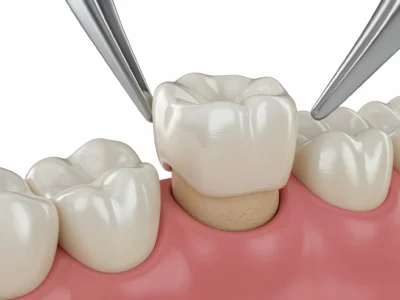
Whether your crown was Dental Crowns Los Angeles CA placed after a large filling, a root canal, a fracture, or cosmetic work, the basic goal is the same: protect the tooth underneath, help the surrounding gum tissue stay healthy, and keep the bite stable. If you recently received Dental Crowns Los Angeles CA treatment, here is what experienced dentists want you to know once the numbness wears off and real life resumes.
What a new crown should feel like at first
A crown is meant to blend into your bite, not dominate it. Still, even a well-made crown can feel unusual at the beginning. Patients often describe a sense of bulk, a slightly different texture against the tongue, or mild gum tenderness near the edge. That is common in the first several days.
What should not happen is sharp pain every time you bite down, a feeling that the tooth is “too high,” or floss snapping and shredding badly around the contact point. Those are not adjustment quirks you should ignore. A crown that hits first when you close your teeth can place too much force on the tooth, the opposing tooth, and even the jaw joint. It may seem minor on day one and become quite irritating by day four.
Temperature sensitivity also deserves some nuance. A little sensitivity to cold can happen, especially if the tooth still has a living nerve and the crown was placed after significant decay or a large old filling. That sensitivity usually fades. If it intensifies, lingers for minutes, or starts waking you up, call your dentist rather than waiting it out for weeks.
The first 24 to 48 hours matter more than most people realize
Crowns are durable, but “durable” is not the same as indestructible. The cement needs time to fully set, and the surrounding tissue needs a chance to settle. During the first two days, it helps to treat the area with some restraint.
If your mouth is still numb after the appointment, avoid chewing until sensation returns. Adults bite their cheeks and tongues more often than they expect when they are distracted. I have seen patients create a much bigger problem from a numb-side lunch than from the crown procedure itself.
Once the numbness is gone, chew on the opposite side if possible, especially if the crown feels tender. Soft foods are a smart choice early on, not because the crown is fragile, but because a sore ligament around the tooth can make normal pressure feel surprisingly intense. Eggs, yogurt, rice, pasta, fish, cooked vegetables, smoothies, and soups that are warm rather than very hot usually go over well.
This is also the window when people often test the crown in unhelpful ways. Sticky caramel, hard crusty bread, nuts, ice, and jerky are not ideal right away. They can pull on a temporary crown, stress a new permanent one, or simply make a normal healing tooth feel much worse.
Temporary crowns need different care than permanent crowns
Some patients leave the office with a temporary crown while the lab fabricates the final restoration. Temporary crowns are useful, but they are not meant to behave like the finished product. They are usually made from a softer material and secured with temporary cement that is designed to release more easily.
That means your habits need to change for a short period. Sticky foods are the main troublemakers. Gum, taffy, chewy protein bars, and even some dense sandwich bread can loosen a temporary crown. I have had patients lose a temporary crown not from candy, but from pulling a tight turtleneck over their head and clenching their teeth at the same time. Life is full of strange little forces.
Flossing with a temporary also takes a different technique. Instead of snapping the floss up and down and then lifting it back out, slide it through the contact, clean gently, and pull it out from the side. That reduces the risk of lifting the temporary off the tooth.
A permanent crown, once bonded or cemented properly, is far more secure. Still, secure does not mean immune to neglect. The tooth under the crown can still decay near the margin if plaque accumulates, and the gum around it can still become inflamed if brushing gets lazy.
How to eat without babying the crown forever
Many people assume they need to be extra cautious indefinitely. Usually, they do not. Once your dentist confirms the crown fits well and your bite is balanced, you should be able to eat a normal diet. The goal is not lifelong fear. The goal is smart chewing habits and fewer habits that damage teeth in general.
Here is a simple approach that works well in practice:
- Keep the first two days soft and low stress.
- Reintroduce firmer foods gradually, paying attention to tenderness when biting.
- Avoid using the crowned tooth to crack shells, bite fingernails, or chew ice.
- If you grind or clench, wear the night guard your dentist recommended.
- If one food consistently causes discomfort, stop testing it and call the office.
The strongest crowns still have weak points, usually not in the visible porcelain or zirconia itself, but at the margin where crown meets tooth, or in the underlying tooth structure if it was already compromised. Someone with a history of heavy clenching can fracture a crown, chip porcelain, or damage the tooth underneath by treating their teeth like tools. That is not a crown problem. That is a force problem.
Oral hygiene around a crown is where long-term success is won
The most common misconception I hear is that a crowned tooth no longer needs much attention because it has been “fixed.” In reality, crowned teeth often deserve better home care than untouched teeth. The crown covers the visible part of the tooth, but the root remains vulnerable, especially near the gumline. If plaque sits along the margin, bacteria can work into the edges over time.
Brushing twice daily with a soft-bristled toothbrush is the baseline. The crown itself will not decay, but the natural tooth structure at its edge can. Spend a few seconds angling the bristles toward the gumline rather than scrubbing only the middle of the tooth. Hard scrubbing is not a badge of good hygiene. It can irritate gums and contribute to recession, which may expose sensitive root surfaces and crown margins.
Flossing is just as important. If the contact between teeth is snug, that often means the crown was made to prevent food trapping, which is good. It does not mean you should skip floss because it feels tight. Tight but passable floss is normal. Frayed, shredded, or stuck floss is worth mentioning at your next visit, or sooner if it is severe.
Water flossers can be helpful for people with bridges, tight contacts, dexterity issues, or inflamed gums, but they are usually a supplement rather than a full replacement for string floss. For some patients, especially those with gum recession or a history of periodontal disease, a small interdental brush may also be useful if the space allows. Your dentist or hygienist can tell you whether that fits your anatomy.
Watch the gums, not just the crown
When people monitor a new crown, they usually stare at the tooth and forget the surrounding tissue. The gum often reveals trouble first. Persistent redness, puffiness, bleeding during brushing after the first few days, or a foul taste around the crown can point to plaque retention, excess cement left under the gum, or a contour that needs to be refined.
A healthy crown should not trap food in a dramatic or constant way. It may feel slightly different than your natural tooth at first, but it should not become a pocket for every salad, popcorn hull, or piece of chicken. Repeated food impaction between the crown and neighboring tooth can irritate the papilla, the small triangular gum between teeth, and that irritation can become a chronic nuisance surprisingly fast.
This is especially relevant for adults who already have some gum recession. In Los Angeles practices, many crown patients are not in their twenties. They may have older restorations, some wear from grinding, prior orthodontics, and mild periodontal changes. In those cases, the ideal crown is not just one that looks nice in a photo. It is one that respects the biology of the gum and is cleanable every day.
Coffee, wine, smoothies, and the Los Angeles diet question
Patients often ask whether a crown stains the way natural enamel does. The answer depends on the material. Porcelain and zirconia are generally more stain resistant than natural teeth, which can create an interesting contrast over time. If someone drinks coffee twice a day and red wine a few nights a week, their natural teeth may darken while the crown stays relatively stable in color. The issue is less about damaging the crown and more about maintaining a uniform appearance.
Very sugary or acidic drinks are a bigger concern for the tooth margin than for the crown surface. Sipping sweetened coffee for hours during a workday, grazing on dried fruit, or relying on frequent citrus drinks keeps the mouth in a more acidic environment. That does not attack porcelain the same way it affects enamel, but it can still contribute to decay where the crown meets the tooth.
Smoothies deserve their own mention because many people assume they are harmless. A thick smoothie with berries, banana, nut butter, honey, and granola can coat the teeth more thoroughly than a quick meal. If you are having one as breakfast on the run, rinse with water afterward and do not let it become a long, slow sip over two hours.
Night grinding can ruin a beautiful crown faster than almost anything else
A crown can be perfectly crafted and still fail early if clenching and grinding go unaddressed. Bruxism is common, and many patients do not realize they do it until a partner hears grinding at night or a dentist points out wear facets, abfractions near the gumline, or chipped restorations.
Porcelain can chip. Zirconia is strong, but opposing teeth can still take a beating if the bite forces are extreme. The tooth under a crown can also become sore from repeated loading, especially in the morning. If you wake with jaw tightness, temple headaches, or a sense that your teeth feel “worked,” your crown care plan should probably include a custom night guard.
This is one of those areas where money spent wisely saves more money later. Replacing a fractured crown, adjusting a changing bite, or treating a cracked tooth costs far more than protecting the work from the start. In practices that provide Dental Crowns Los Angeles CA services, heavy bite forces are one of the most common reasons an otherwise solid restoration develops trouble earlier than expected.
When soreness is normal, and when it is not
A little tenderness when chewing after crown placement can be normal, particularly if the tooth had deep decay, a recent root canal, or inflamed tissues before treatment. The ligament around the root can stay irritated for a while, much like a bruise. Most people notice steady improvement over several days to a couple of weeks.
What deserves a call is pain that is sharp, escalating, or highly specific. If biting down hurts but releasing pressure hurts even more, that can sometimes suggest a crack in the tooth structure or a bite issue. If cold sensitivity is intense and lingers, the pulp may be inflamed. If the gum near the crown starts swelling or you notice a pimple-like bump, infection becomes a concern.
Do not judge only by your pain tolerance. Some people minimize problems until they become expensive. Others worry over every small sensation. The better standard is change over time. Healing trends downward. Problems stay the same or get worse.
A few practical warning signs worth taking seriously
Most crown appointments end uneventfully, but a handful of symptoms justify prompt follow-up rather than watchful waiting.
- The crown feels high or you hit it first when biting.
- Floss shreds, catches hard, or will not pass properly.
- You notice a bad taste, new swelling, or bleeding that persists.
- The crown feels loose, shifts, or comes off.
- Pain increases after several days instead of easing.
These concerns are usually easier to fix early. A quick bite adjustment can prevent weeks of soreness. Recementing a crown promptly may save the tooth from decay or contamination. Waiting often turns a minor correction into a larger repair.
Why follow-up visits are not just a formality
A crown placement is sometimes a two-visit process, and even after the final crown is seated, follow-up can matter. Tissue response, bite adaptation, and patient habits reveal themselves over time. A crown can look ideal in the chair and still need a tiny occlusal adjustment once you have used it in normal eating.
This is particularly true for patients who have complex bites, prior orthodontic treatment, missing teeth, implants, or TMJ issues. Teeth do not function in isolation. A new crown changes one part of a system, and occasionally the system needs a small tune-up after the fact.
Good dentists expect some feedback. They would much rather hear that your bite feels a little off on day three than discover six months later that you stopped chewing on that side entirely. In real practice, that happens more often than it should. People adapt quietly. Their jaw shifts. Their chewing pattern changes. Then they develop muscle soreness, food packing, or wear on another tooth.
Keeping a crown healthy for years, not just months
A well-made crown can last many years. Some last well over a decade. Longevity depends on material, bite forces, oral hygiene, decay risk, and how much natural tooth structure was left when the crown was placed. Someone with dry mouth, heavy clenching, and inconsistent hygiene will not have the same prognosis as someone with a balanced bite and meticulous care.
Dry mouth deserves special attention because it changes the whole environment around a crown. Medications for blood pressure, allergies, anxiety, depression, and sleep can all reduce saliva. So can mouth breathing. Saliva helps buffer acids and wash away food debris. Without enough of it, decay risk rises, especially at the crown margins. If your mouth often feels dry, mention it. Dentists can recommend strategies that go beyond “drink more water.”
Routine cleanings and exams also matter because small crown issues are often easier to spot clinically than at home. A dentist may see early margin changes, a tiny porcelain chip, a bite shift, or gum inflammation before you feel anything significant. That is one reason skipping preventive visits tends to backfire. Crowns are durable restorations, but they still need surveillance.
The appearance question patients are often hesitant to ask
Many people, especially in Los Angeles, care about how a crown looks, not just how it functions. There is nothing superficial about that. Front-tooth crowns in particular are judged by shape, brightness, translucency, and how the gum frames them. Even back teeth matter because smiling, laughing, and talking reveal more than people think.
If your crown looks slightly brighter than neighboring teeth, that may become more noticeable as your natural teeth stain over time. Whitening the surrounding teeth before selecting a front crown is often preferable to trying to match a shade that may change later. For back teeth, the issue is usually less dramatic, but still relevant if you open widely when speaking or laughing.
If aesthetics concern you, say so clearly. Dentists cannot fix what patients are too polite to mention. A crown should be comfortable, biologically sound, and visually appropriate for the person wearing it.
What good crown care really comes down to
Caring for a new crown is less about special products and more about attention, restraint, and follow-through. Eat gently at first. Keep the area clean. Notice the bite. Respect signs that something is off. Protect the crown from grinding if that is part of your pattern. Show up for maintenance.
Most crowns that fail early do not fail because crowns are unreliable. They fail because the bite was never adjusted, decay developed at the margin, a temporary was abused, the patient disappeared after placement, or heavy clenching went unmanaged. Those are preventable problems.
If you recently received Dental Crowns Los Angeles CA treatment, think of the crown as a restoration, not a replacement for daily care. The underlying tooth, the gum around it, and the way your teeth meet still determine the outcome. With sensible habits and timely follow-up, a new crown should fade into the background of your life, which is exactly what a good restoration is Dental Crowns Los Angeles CA Dental Crowns Los Angeles CA supposed to do.
Simple Dental Vermont
Address: 8914 S Vermont Ave, Los Angeles, CA 90044
Phone number: +13239493000
FAQ About Dental Crowns Los Angeles CA
How much do crowns cost per tooth?
In the United States, a single dental crown typically costs between $800 and $2,500 per tooth without insurance. The ultimate out-of-pocket price depends heavily on the crown material, the location of the tooth, and whether you have dental insurance coverage.
What is the downside of crowns on teeth?
The primary downside of a dental crown is that the procedure permanently removes natural tooth enamel to shape the tooth for the cap.
Why do dentists push for crowns?
Dentists recommend crowns because a large filling cannot provide enough strength when a tooth loses a major portion of its structure or faces heavy chewing pressure.
Ends · MESSIAHNBBT749