What to Expect From Dental Crowns in Los Angeles CA
If your dentist has recommended a crown, the first reaction is often a mix of relief and hesitation. Relief, because there is usually a clear way to protect the tooth. Hesitation, because most people are not entirely sure what a crown involves, how long it lasts, or what the process will feel like. In a city as large and varied as Los Angeles, there is another layer to it. Treatment options, office styles, materials, and fees can differ widely from one neighborhood to the next.
Dental crowns are common, but they are not one-size-fits-all dentistry. A well-made crown can restore a cracked molar, strengthen a tooth after root canal treatment, or improve the shape and color of a front tooth that has been difficult to manage with bonding alone. A poorly timed or poorly fitted crown, on the other hand, can lead to bite problems, gum irritation, or the frustrating sense that something never quite feels right.
For patients looking into Dental Crowns Los Angeles CA, it helps to know what a crown actually does, when it is necessary, what the appointment sequence tends to look like, and where the real trade-offs lie.
What a dental crown is really meant to do
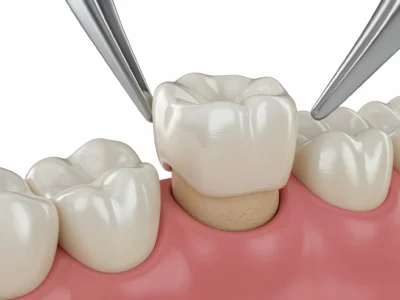
A crown is a custom-made covering that fits over a tooth to restore its structure, shape, strength, and function. Many patients think of it as a cap, which is not wrong, but that description can make it sound simpler than it is. A crown has to work with your bite, neighboring teeth, gumline, and chewing patterns. It also has to hold up under daily force, which can be substantial if you clench, grind, or chew hard foods regularly.
Dentists usually recommend crowns when a tooth is too damaged for a filling to predictably last. That can happen after a large cavity, a fracture, repeated replacement of old restorations, or a root canal. Sometimes the issue is not decay at all. A tooth may be naturally misshapen, heavily worn, or cosmetically compromised enough that a crown offers the most stable long-term result.
In practice, the best crown cases are often the least dramatic. The patient may not be in severe pain. The tooth may not look terrible from the outside. But the remaining structure is weak, and a filling would act more like a patch than a fix. In those situations, a crown is less about appearance and more about preserving the tooth before it breaks further.
Why patients in Los Angeles often see a wide range of recommendations
Los Angeles dentistry spans every style of practice imaginable, from boutique cosmetic offices in Beverly Hills and West Hollywood to family practices in the Valley, busy clinics near Koreatown, and neighborhood offices in Pasadena, Culver City, Santa Monica, and beyond. That variety can be helpful, but it also means two dentists may discuss the same tooth in very different ways.
One dentist may lean conservative and try to preserve every bit of natural enamel with an onlay or a smaller bonded restoration. Another may recommend a full crown because the fracture pattern, bite pressure, or previous dental history makes that the safer option. Neither approach is automatically right or wrong. Much depends on the amount of remaining tooth structure, whether the cracks run below the gumline, how stable the tooth is, and what kind of function it needs to handle.
Los Angeles patients also tend to ask more cosmetic questions than patients in some other markets, especially when crowns involve the front teeth. That is understandable. In a very image-aware city, people are often thinking not just about whether the tooth can be saved, but how natural the result will look in daylight, on video calls, and in photos. Shade matching, translucency, edge shape, and gum symmetry matter more in visible areas than many patients realize before treatment starts.
The common reasons a crown may be recommended
A crown is not the answer to every dental problem, but there are several situations where it is often the most predictable option.
- A tooth has a large cavity or a large existing filling, and not enough healthy structure remains for another filling to hold well.
- A tooth is cracked, fractured, or worn down, especially if biting pressure risks further damage.
- A tooth has had root canal treatment and needs reinforcement to reduce the chance of splitting.
- A front tooth needs major shape or color correction that bonding or veneers cannot reliably provide.
- A dental implant needs a visible tooth attached on top, which is also commonly called a crown.
That last point causes some confusion. An implant crown is not the same thing as a crown placed on your natural tooth, even though patients use the same term for both. The visible portion may look similar, but the support underneath is very different.
Your first visit usually centers on diagnosis, not drilling
Many people expect the crown process to begin the same day it is discussed. Sometimes it does, but a thoughtful dentist often spends the first part of the process on diagnosis. That means checking the tooth, taking X-rays, testing the bite, examining cracks, looking at the gums, and simpledentalca.com Dental Crowns Los Angeles CA deciding whether the nerve inside the tooth is healthy.
This matters more than patients realize. If a tooth has lingering nerve inflammation, unexplained pain on biting, or a fracture that extends too deeply, the plan may need to change. A crown placed over a tooth with unresolved internal problems can buy you only a short period of relief before more treatment becomes necessary.
If the tooth is straightforward, the dentist may move ahead with preparation at that same appointment. If not, you may be advised to address decay, gum inflammation, or root canal issues first. That can feel like an extra step, but it is often the difference between a crown that lasts for years and one that becomes a problem within months.
What the preparation appointment usually feels like
The crown preparation visit is the one most patients worry about, though it is usually manageable. The tooth is numbed, reshaped carefully to make room for the crown material, and scanned or molded so the final restoration can be made to fit precisely. If the tooth has extensive old filling material, the dentist may rebuild part of the core before moving forward. That internal buildup gives the crown something solid to sit on.
In many Los Angeles offices, digital scanning has largely replaced old-fashioned impression trays, though traditional impressions are still used in some practices and can still produce excellent work. Patients tend to like scanners because there is no putty in the mouth, and dentists like them because they can improve communication with the lab and allow real-time review of the prep.
You will typically leave with a temporary crown unless the office offers same-day crown technology and your case is suitable for it. Temporaries are useful, but they are temporary in every sense. They are not as strong, not as smooth, and not as exact in bite or contour as the final crown. It is common for them to feel a little different. What should not happen is severe pain, a dramatic bite shift, or a temporary that repeatedly falls off without explanation.
A patient once described the temporary phase perfectly after a lower molar crown prep. She said, “It feels like my tooth is wearing a rental car.” That is about right. It functions, it gets you through the week or two, but it is not the finished experience.
The waiting period matters more than people think
The period between preparation and final placement is not just downtime. It offers clues about the tooth. If the temporary feels acceptable and the tooth settles nicely, that is encouraging. If you develop persistent spontaneous pain, sharp temperature sensitivity, or soreness every time you bite, the tooth may be telling your dentist something important.
This is also the phase where some practical habits make a difference. Temporary crowns are more likely to come loose if you chew sticky candy, grind your teeth at night, or ignore a bite that feels high and uneven. A small bite adjustment early can save a lot of frustration.
For patients with demanding schedules, which describes a large percentage of Los Angeles residents, this is often the least appreciated part of crown treatment. It is easy to think the work is done after the first appointment, then postpone the delivery visit because of work travel, school pickups, or production deadlines. That is not a good idea. Temporary materials are not meant to carry the load for long, and the exposed margins under a lost or broken temporary can create a new problem fast.
What happens when the final crown is placed
The delivery appointment is usually shorter and more comfortable than the prep visit. The dentist removes the temporary, cleans the tooth, tries in the new crown, checks its fit, verifies the contacts with neighboring teeth, and fine-tunes the bite. Shade and contour are assessed, particularly for front teeth. Once everything looks and feels right, the crown is cemented or bonded into place.
This is where craftsmanship shows. A crown can look polished on a tray and still fail in the mouth if the contacts are too tight, the margin irritates the gum, or the bite lands too heavily on one cusp. Good crown work is part engineering and part judgment. Tiny adjustments can make the difference between “I forget it’s there” and “I keep tapping on it all day.”
Patients are often surprised that a brand-new crown may feel slightly unfamiliar even when it is well done. Your tongue notices subtle differences in contour, and your bite is sensitive to changes measured in fractions of a millimeter. That usually settles quickly. Persistent discomfort, however, should be checked rather than tolerated.
Materials are not all the same, and neither are the trade-offs
When patients search for Dental Crowns Los Angeles CA, they often see terms like zirconia, porcelain, ceramic, E-max, and porcelain-fused-to-metal. These are not marketing flourishes. They describe real material differences that affect strength, aesthetics, and suitability.
Zirconia is known for durability and is often used on back teeth where chewing forces are high. It has improved cosmetically over the years, but material selection still matters when a front tooth needs the kind of translucency that mimics natural enamel.
Lithium disilicate, often recognized by the brand name E-max, is popular for visible teeth because it can look very lifelike. It is strong, though not always the first choice in every heavy-bite posterior case.
Porcelain-fused-to-metal crowns were once the standard in many offices. They can still work well, but some patients dislike the possibility of a dark line at the gum over time, especially if the gum recedes. Full metal crowns, usually in gold alloy or similar materials, remain excellent from a functional standpoint in certain posterior cases, though many patients now decline them for appearance reasons.
No material is universally best. A strong back-tooth crown for a night grinder is a different design problem than a lateral incisor visible in every smile. Good dentists match the material to the tooth, the bite, and the patient’s priorities.
Same-day crowns can be convenient, but not every case is a same-day case
Los Angeles has no shortage of practices advertising same-day crowns. For the right patient, this can be genuinely convenient. You may avoid a temporary and finish treatment in one visit. That is especially appealing if you have a packed work calendar or simply do not want multiple injections on different days.
Still, same-day is not automatically superior. Some complex cosmetic cases benefit from a skilled dental lab that can layer, shape, and stain a crown with more nuance than an in-office mill may provide. Cases involving unusual bites, multiple adjacent restorations, or demanding front-tooth aesthetics may also benefit from extra planning time.
The key question is not whether a crown can be made quickly. It is whether the process chosen suits the clinical problem. Speed is useful. Precision is essential.
How much pain, soreness, or sensitivity is normal
Patients usually want a straight answer here. Most crown procedures are easier than feared. With local anesthetic, the appointment itself should be tolerable. Afterward, mild gum soreness, tenderness at the injection site, and some sensitivity are normal for a few days. If a lot of decay was removed or the tooth already had some nerve irritation, the recovery may take longer.
What is not normal is escalating throbbing pain, a crown that feels dramatically too high, pain that wakes you at night, or sensitivity that grows worse instead of better. Those signs do not always mean something has gone terribly wrong, but they do deserve a call to the office.
A high bite is one of the most common and most fixable post-crown issues. It can make the tooth feel bruised or sore to chew on, and patients often describe it as “that tooth hits first.” A simple adjustment can resolve that quickly.
Cost in Los Angeles can vary, sometimes by a lot
Fees for crowns in Los Angeles can range substantially depending on the material, the office location, whether a specialist is involved, whether buildup or root canal treatment is needed, and how much technology or cosmetic customization is part of the case. It is difficult to give a single citywide number that stays accurate over time, but patients should expect noticeable variation between practices.
Higher cost does not always mean better quality, and the lowest fee is not always a bargain. Laboratory quality, prep design, time spent on bite adjustment, and communication between dentist and lab all affect the result. In a large metro area, overhead and branding also influence fees, which is why estimates can feel surprisingly far apart for what sounds like the same procedure.
Insurance may cover a portion of a crown when it is considered medically necessary, but coverage limitations are common. Waiting periods, annual maximums, downgraded material allowances, and exclusions for replacement within a certain time frame are all worth reviewing before treatment starts.
A good financial conversation is specific. Ask what the estimate includes, whether a buildup is billed separately, whether a replacement temporary is covered if it comes off, and what happens if the tooth later needs root canal treatment. Those details matter more than the headline number.
Choosing a dentist for crowns in Los Angeles
Because the city offers so many options, choosing carefully helps. You do not need the flashiest office. You do need a dentist who diagnoses clearly, explains why a crown is or is not the best choice, and pays attention to fit, bite, and follow-up.
Here are a few signs that usually point in the right direction:
- The dentist explains the condition of the tooth in plain language and shows you the X-rays or photos.
- Alternatives are discussed honestly, including when a filling, onlay, or extraction might be more appropriate.
- The office talks about materials in terms of function and aesthetics, not just branding.
- Bite, clenching, and night grinding are part of the discussion when relevant.
- Follow-up adjustments are treated as part of good care, not as an inconvenience.
Patients sometimes focus heavily on before-and-after smile images online, which can be useful for cosmetic work, but crown success is often quieter than that. It shows up in comfort, clean margins, healthy gums, and a bite that works normally months and years later.
Front teeth crowns deserve special planning
Crowns on front teeth are a different category from crowns on molars. Strength still matters, but appearance carries much more weight. The color has to blend across natural teeth that may not be uniform to begin with. Natural enamel reflects light differently at the edge than at the center. The surface texture, shape, and length all affect whether a crown disappears into the smile or stands out awkwardly.
This is where communication becomes critical. If the tooth is visible when you smile or speak, a photograph, shade map, or custom lab communication can be worthwhile. Some offices even schedule front-tooth try-ins in especially demanding cases. That may sound like overkill until you have seen a front crown that is technically functional but visibly flat, opaque, or too square for the face.
Los Angeles patients often notice these details immediately, and not because they are vain. Front teeth are social teeth. They are in every conversation.
How long crowns typically last
There is no honest universal timeline. Crowns can last well over a decade, and some last much longer. Others fail earlier because of decay at the margin, heavy grinding, fracture, poor oral hygiene, gum disease, or underlying tooth problems that were difficult to predict. The crown itself may be intact while the tooth underneath becomes the limiting factor.
A crown is not a permanent shield that makes a tooth maintenance-free. Patients are often surprised to learn that crowned teeth can still develop decay, especially near the gumline where plaque accumulates. Flossing, professional cleanings, and a stable bite still matter. If you grind at night, a custom night guard can significantly extend the life of both natural teeth and restorations.
In real practice, the crowns that last longest tend to share a few qualities. The tooth was a good candidate to begin with. The bite was adjusted carefully. The margins are clean and accessible for hygiene. The patient understands that a crown restores a tooth, but does not make it indestructible.
Questions worth asking before you start
Patients rarely regret asking thoughtful questions before committing to a crown. A short conversation upfront can prevent confusion later. You might ask whether the tooth could reasonably be restored another way, what material is recommended and why, whether the office uses a lab for the final crown, how long the temporary phase will last, and what the backup plan is if the tooth becomes symptomatic.
It is also reasonable to ask how the dentist handles bite adjustments after placement and what signs should prompt a return visit. Those are not difficult-patient questions. They are signs that you understand dental work is not just about placing a crown, but about making it function well in a real mouth under real conditions.
What most patients are relieved to learn after the fact
Once the process is over, the most common reaction is not excitement. It is relief. The cracked tooth no longer catches when chewing. The sensitive side becomes usable again. The front tooth that looked patchy or fragile blends in better than expected. The treatment is often less dramatic than people fear and more technical than they imagined.
That is probably the clearest expectation to carry into the process. A crown is not glamorous dentistry. It is practical, highly skilled restorative work. When planned well and executed carefully, it protects a vulnerable tooth, restores confidence in chewing, and often lets you stop thinking about that tooth altogether, which is usually the best outcome there is.
Simple Dental Vermont
Address: 8914 S Vermont Ave, Los Angeles, CA 90044
Phone number: +13239493000
FAQ About Dental Crowns Los Angeles CA
How much do crowns cost per tooth?
In the United States, a single dental crown typically costs between $800 and $2,500 per tooth without insurance. The ultimate out-of-pocket price depends heavily on the crown material, the location of the tooth, and whether you have dental insurance coverage.
What is the downside of crowns on teeth?
The primary downside of a dental crown is that the procedure permanently removes natural tooth enamel to shape the tooth for the cap.
Why do dentists push for crowns?
Dentists recommend crowns because a large filling cannot provide enough strength when a tooth loses a major portion of its structure or faces heavy chewing pressure.
Ends · MESSIAHNBBT749